iPhone 18 Pro Drop Test Video Leaks After Ransomware Attack on Apple Supplier
Internal iPhone 18 Pro videos and confidential Apple supplier maps leaked online following a massive ransomware attack on Tata Electronics in India.
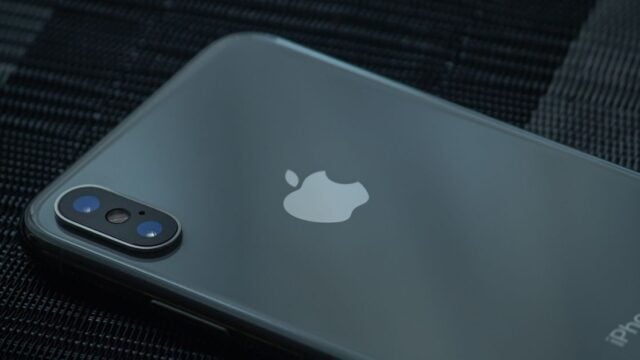
JAKARTA — A high-stakes security failure at Tata Electronics, one of Apple’s critical manufacturing partners in India, has spilled internal secrets onto the dark web. A group calling itself World Leaks claims to have exfiltrated over 630 GB of data from the manufacturer, including verified footage of an iPhone 18 Pro prototype undergoing rigorous drop tests.
The breach, which involves the exposure of more than 200,000 files, goes far beyond internal testing videos. Leaked documents include detailed design specifications, exhaustive component lists, and a comprehensive map of Apple’s secretive global supply chain. Well-known tech analyst Evan Blass was among the first to circulate the footage, which Reuters has since confirmed carries internal Apple watermarks and codenames associated with the upcoming iPhone 18 Pro lineup.
Inside the Leaked Footage
The circulating video captures a slab-style device—dismissing earlier rumors of a foldable design—finished in a metallic silver hue. The hardware features a distinct three-lens camera array housed in the familiar rectangular camera bump, complete with a LiDAR sensor and LED flash. In the clip, the prototype survives multiple drops onto a hard surface within what appears to be a controlled laboratory setting.
While the video shows no visible damage, the clips remain brief. Sources familiar with the situation have confirmed to Reuters that the device in the video is indeed an iPhone 18 Pro, aligning with dummy units that had previously surfaced through separate supply chain leaks.
Supply Chain Exposure
The damage to Apple’s operations may prove more severe than a simple product reveal. The leak includes granular data identifying the specific firms responsible for producing hundreds of individual components. This exposes the roles of key partners such as Taiwan Semiconductor Manufacturing Co. (TSMC) and Qualcomm, whose relationships with Apple are traditionally guarded by stringent confidentiality agreements.
Apple is currently coordinating with Tata Electronics to manage the fallout. Tata has restricted access to its internal systems while conducting a forensic investigation into how the breach bypassed security protocols. For Apple, the exposure of these supplier relationships could weaken its leverage in future contract negotiations and provide competitors with unprecedented insight into its manufacturing blueprint.
Why Tata Electronics is a Prime Target
Tata Electronics has ascended as a linchpin in Apple’s strategy to diversify manufacturing away from China, aligning with the Indian government's push to establish the nation as a global electronics hub. This strategic shift has turned the supplier into a treasure trove of sensitive intellectual property.
The scale of this breach could strain the partnership between the two companies. Analysts point out that as Apple grapples with rising component costs—which have already forced price hikes for iPads and MacBooks—the public disclosure of its internal supplier network comes at a particularly delicate time for the tech giant's bottom line.
The Foldable Question
As industry experts scour the 200,000 leaked files for further insights, one major question remains: whether plans for the rumored “iPhone Ultra,” a foldable device expected for 2026, were included in the stolen cache. As of now, no such documents have been confirmed, but with the data currently available on the dark web, the possibility remains a looming threat to Apple’s future product roadmap.