Australian Farmers Turn Recycled Glass Into Soil Booster, Lifting Crop Yields by a Quarter
Crushed glass is spreading across Australian paddocks—not as litter, but as a deliberately applied soil amendment that's delivering unexpectedly large gains ...
Crushed glass is spreading across Australian paddocks—not as litter, but as a deliberately applied soil amendment that's delivering unexpectedly large gains in plant growth and livestock performance.
The practice, growing in uptake across Victoria and Queensland, treats pulverised recycled bottles as a fertiliser substitute. Agronomist Peter Norwood has been pitching the talc-like product to farming clients for years, citing field results that show productivity jumps of 25 to 30 per cent in plant output. For livestock operations, early data suggests measurable increases in milk yields from dairy herds and daily weight gains in beef and sheep.
From Bottle Bin to Paddock
The supply chain closes a circular loop. Glass bottles collected through Queensland's Containers for Change scheme—which rewards people 10 cents per empty—feed into a new $4 million processing facility in Brisbane. There, a ceramic-lined tumbler packed with 35 tonnes of fist-sized ceramic balls grinds incoming glass into mixed granule sizes.
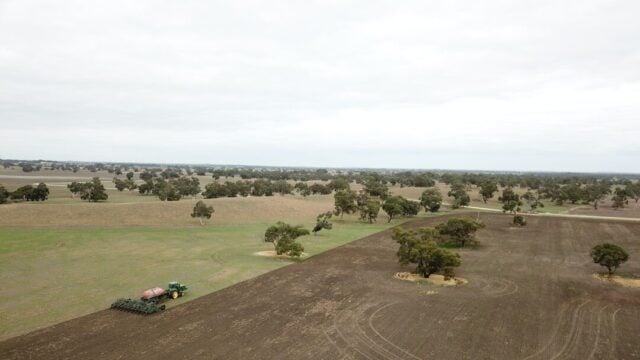
Farmers apply the result two ways. Some mix the fine powder with water and spray it directly onto plant foliage. Others broadcast dry granules across paddocks and pastures. The method depends on crop type and soil condition.
Why Glass Works
Silicon, the dominant compound in glass, strengthens plant cell walls and boosts nutrient uptake. That translates into hardier crops better able to resist stress—and faster animal weight gain when the amended pastures feed livestock.
The appeal runs deeper than yield. By converting single-use bottles into agricultural input, the system diverts waste from landfills while cutting farmers' reliance on mined mineral fertilisers. David Archer, the agronomist and co-owner of the Brisbane factory, discovered these benefits through on-farm testing before scaling production.
The economics hinge on logistics: transport costs and application rates determine whether glass amendments pencil out versus conventional inputs. But for farmers banking on sustainability alongside productivity, the maths increasingly favours the recycled alternative.