West End drinking row exposes London’s fight over standing-room bars
Standing up for a drink is now a political argument in central London. Westminster City Council has drawn up draft licensing changes that critics say
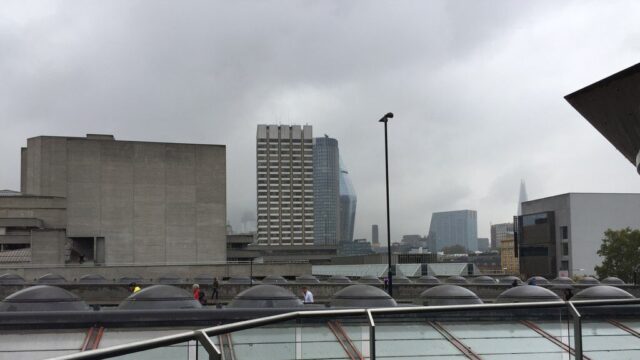
Standing up for a drink is now a political argument in central London. Westminster City Council has drawn up draft licensing changes that critics say could curb so-called “vertical drinking” in the heart of the West End.
The dispute flared after a Guardian report on Thursday, later tweaked online, described the council as seeking to stop pubs being pubs with a “no standing” plan. The council has until 1 October to update its current licensing policy, which dates from 2021, and its consultation closes on Sunday.
What Westminster wants to change
In the draft policy, Westminster said it wants to “discourage excessive drunkenness” and push more venues to add seating for people who want to sit and have a drink, or order food by table service. The aim is to replace open bar space that caters for high-volume vertical drinking.
That phrase has landed badly with parts of the hospitality trade. Standing room is part of the West End rhythm: quick pints, spillover crowds on busy nights, and customers outside as much as inside. Gone? Not if venue operators have their way.
Westminster is not a quiet corner of the capital. The borough has more licensed venues than anywhere else in the UK, with about 500 pubs, bars and wine bars, and roughly 1,750 cafes and restaurants.
Why the row matters beyond one borough
The fight in Westminster speaks to a broader tension that cities from London to Sydney to New York know well: how to keep nightlife lively without letting high-volume drinking spill into disorder. Licensing policy often becomes the blunt tool in that debate.
For councils, the pressure is practical. They have to weigh residents’ complaints, public order, and the economic pull of late-night hospitality. For bars and pubs, every extra chair or tighter licence condition can change the feel of a room and, with it, the business model.
The draft proposals are still out for consultation, so nothing has changed yet. But the language in the policy has already set off a row over what a pub should be in one of London’s busiest districts — a place to linger, or a place to stand and drink while the city moves around you. The next test comes when Westminster closes the consultation on Sunday and starts writing the rules that will shape the West End’s drinking culture after 1 October.