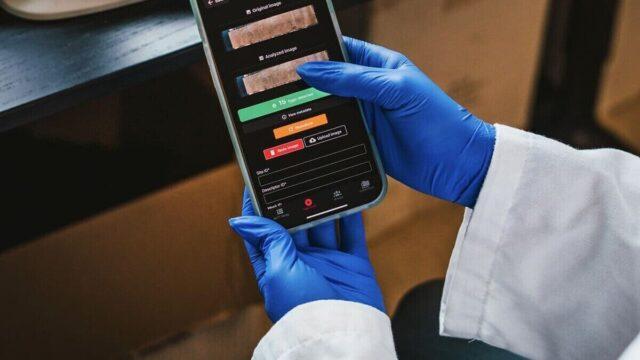
Apple Launches OpenEvidence Health AI Study App
Apple and OpenEvidence have launched a U.S. research study with an app for testing how people use conversational AI for health questions. Up to 200,000 eligible adults can ask everyday questions, review linked clinical citations and choose whether to share health data from their iPhones.
Apple launched an experimental health AI study with OpenEvidence in the United States on November 15, 2026, inviting eligible adults to test an app for asking health questions. The study will examine user trust, comprehension and how people engage with conversational health AI.
Up to 200,000 people age 21 and older can take part. They need an iPhone 15 Pro or later with Apple Intelligence and iOS 26 or later.
Answers include clinical citations
Participants can ask everyday health questions and explore complex medical information in approachable language. The app links its responses to peer-reviewed clinical citations.
OpenEvidence’s platform draws on medical information from sources including The New England Journal of Medicine, the Journal of the American Medical Association and Nature. Apple said the study combines that technology with an Apple-designed research experience.
Participants may also choose to share HealthKit data, including resting heart rate, activity, sleep or lab results. The study will examine how connecting personal data affects the relevance and clarity of responses.
Study data will not train AI models
Apple said participants retain control over whether they share health metrics or survey responses, and that study data will not be used to train AI models. The app has safety guardrails designed to detect certain concerning questions and suggest follow-up with a provider or other resources.
“Health is deeply personal,” said Sumbul Desai, Apple’s vice president of Health and Fitness. She said the research is intended to help Apple understand how people engage with and evaluate health AI in everyday life.
The app is not intended to diagnose or treat conditions or replace advice from medical professionals. Apple advises participants to consult a doctor or clinician about health concerns or to verify medical information.
 Take the quizWhat Kind of Holiday Spender Are You? Take the Black Friday QuizStart →





 Lifestyle7 Signs Your Social Battery Is Running Low (and Why You Keep Cancelling Plans)
 Lifestyle · Food & HealthThanksgiving Food Safety: How Long Leftovers Last and the Safe Turkey Temperature
 Lifestyle7 Quiet Habits of Emotionally Intelligent People, According to Psychologists
 LifestylePeople Who Don’t Like Celebrating Their Birthday Often Share These 7 Traits