Scientists Put Controversial Idea on Gene Mutations to the Test
Biologists Laurence Hurst and Sofia Radrizzani found no evidence that important genes mutate less often in E. coli or baker’s yeast. Their analysis mapped about 3,600 mutations in E. coli and 4,600 in yeast, challenging a long-running proposal about how genes respond to random mutations.
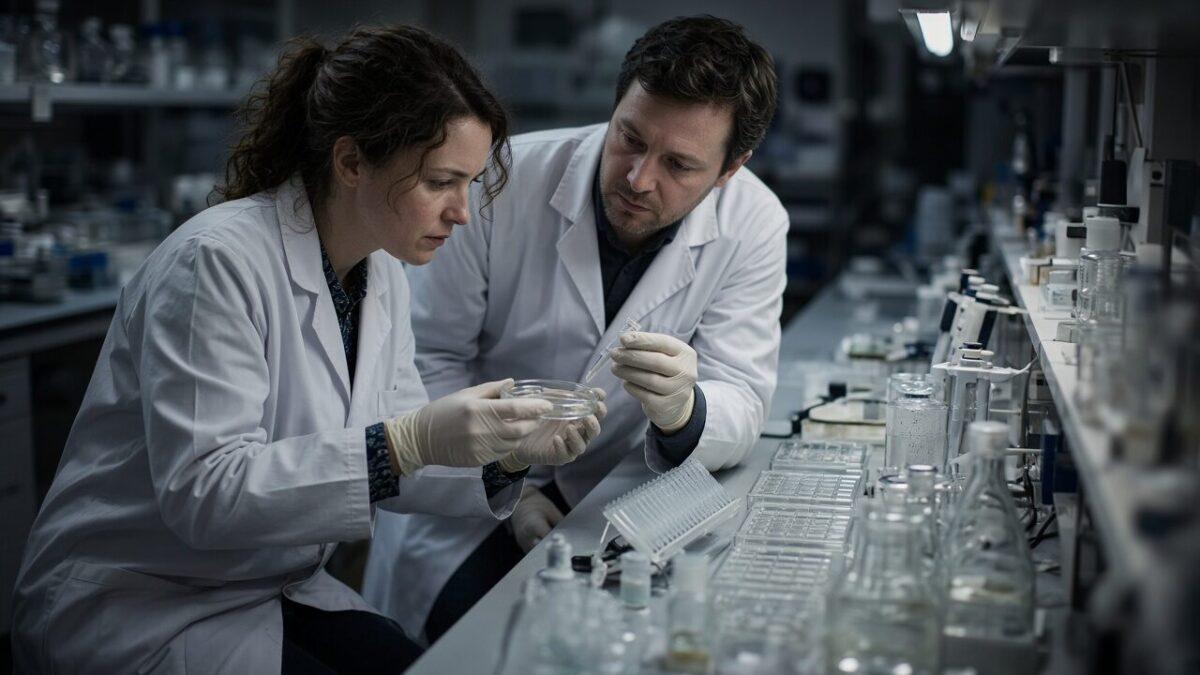
University of Bath biologists Laurence Hurst and Sofia Radrizzani tested the idea that important genes are protected from random mutations and found no lower mutation rate in two microbes, in research published in PLOS Biology.
The findings challenge a proposal that has resurfaced over decades: that genes essential to an organism may somehow be less likely to mutate. Hurst and Radrizzani analyzed mutation data from E. coli bacteria and baker’s yeast.
They mapped about 3,600 mutations in E. coli and 4,600 in yeast, then compared mutation rates with how essential each gene was to survival. The microbes had been bred for many generations under conditions designed to expose them to as few pressures as possible.
No lower mutation rate in key genes
The researchers found no difference for genes that produce abundant proteins, genes shaped by natural selection, or genes essential to cell survival. “Analyze the data any which way and we found nothing,” Hurst said. “In neither species did these key genes have a lower mutation rate.”
Some structural features did affect mutation rates. In yeast, genes copied later when a cell replicates its DNA tended to mutate more frequently.
The idea that essential genes mutate less often dates back at least to 1972, when biologist Edward Cox proposed that some DNA sequences might be more protected from mutation because of their importance. The proposal is not mainstream, but it gained fresh attention after a 2022 study reported fewer mutations in important parts of the thale cress genome.
Hurst and other scientists challenged that study’s methods in 2023, saying they could not reproduce its results and citing errors in DNA sequencing. The original team corrected part of its paper but maintained its central findings.
Hurst said the apparent scarcity of mutations in important genes could reflect which mutations researchers get to observe. Mutations in essential genes are more likely to harm an organism, so natural selection may remove them before scientists can study them.
“This can create the illusion that important genes have fewer mutations when, in reality, some mutations have simply disappeared before we have a chance to analyze them,” Hurst said.
 Take the quizWhat Kind of Holiday Spender Are You? Take the Black Friday QuizStart →





 Lifestyle7 Signs Your Social Battery Is Running Low (and Why You Keep Cancelling Plans)
 Lifestyle · Food & HealthThanksgiving Food Safety: How Long Leftovers Last and the Safe Turkey Temperature
 Lifestyle7 Quiet Habits of Emotionally Intelligent People, According to Psychologists
 LifestylePeople Who Don’t Like Celebrating Their Birthday Often Share These 7 Traits