US-Iran Talks Lay a Strong Foundation in Switzerland
US-Iran talks in Switzerland laid a strong foundation for Middle East peace, with JD Vance calling the progress highly positive.
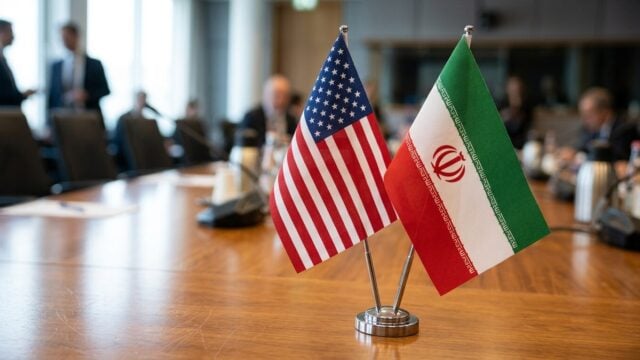
BÜRENSTOCK — US-Iran Talks Lay a Strong Foundation for Middle East Peace, according to US Vice President JD Vance, after a high-level diplomatic meeting at the Bürgenstock resort in Switzerland. The talks are aimed at slowing the region’s armed escalation and building a path toward a broader settlement.
The stakes are immediate. Any pause in fighting could reduce pressure on Lebanon’s border, ease fears of wider confrontation, and create room for a controlled exchange on frozen Iranian assets and humanitarian relief.
Vance Says the Foundation Is Set
“The final deal is like a house,” Vance told journalists, according to Reuters on Monday local time. “We’ve built the foundation. The house is not standing yet, but we’ve put in a successful foundation that puts the American people in a favorable position.”
His wording was cautious, but the message was clear. Washington sees the talks as a step forward, not a finished pact. That matters because the diplomacy has unfolded while violence has continued to simmer across the region, especially along the Lebanese border.
Tehran also signaled movement. Iran’s foreign minister had previously said there had been major progress toward stopping the fighting in Lebanon. Vance echoed that tone, saying southern Lebanon had seen one of its calmest 24-hour periods in recent memory.
Washington is now drafting what Vance described as a deconfliction mechanism. The idea is to keep the two sides in contact when field tensions spike, so small clashes do not turn into open war. Simple idea. Big consequences.
Why the Deconfliction Plan Matters
That mechanism could become the practical heart of any ceasefire arrangement. If it works, it gives both sides a channel to cool down incidents before they spread. If it fails, a border skirmish could quickly erase diplomatic gains made in Switzerland.
Vance said the approach is meant to keep the situation under control on the ground. “When something happens on the ground, both sides have to talk to reduce the situation,” he said, describing Washington’s preventive push. The goal is not just to stop one flare-up. It is to avoid a chain reaction.
The broader regional context explains why the talks have drawn so much attention. Cross-border attacks have already raised fears that fighting could spread beyond Lebanon and pull in more actors. For markets, aid agencies and energy watchers, even a modest drop in tension would matter. Fewer disruptions usually mean less risk for shipping, food supply chains and security planning across the Middle East.
That is the real test. Not the headline. The machinery underneath.
Frozen Iranian Assets and Food Purchases
One of the central issues in the Swiss negotiations is the possible release of Iranian assets frozen by the US government. Vance signaled that any funds would be tightly controlled and used for humanitarian purposes, not general spending or military use.
Under the plan discussed by Washington, the money would be directed toward food purchases from US suppliers. The arrangement is designed to move through a special clearing system tied to American agricultural exporters rather than through unrestricted cash transfers.
“If we release Iranian assets, we will make sure the money is used to help the Iranian people get food, not to fund the military or proxy groups,” Vance said. He added that the funds would be used to buy soybeans, corn and wheat directly from American farmers.
That matters for two reasons. Iran gets access to food commodities during a period of strain, and US farmers gain a new export channel. It is a narrow deal, but a politically useful one. Food first. Cash later, if at all.
The scheme could also shape how future sanctions relief is structured. By tying funds to specific purchases, Washington keeps leverage while still showing limited flexibility. That balance is fragile, and both sides know it.
Israel Pushes Back Hard
The plan immediately faced sharp resistance inside Israel. National Security Minister Itamar Ben-Gvir criticized the proposal during a meeting of the Otzma Yehudit party in the Knesset and urged Prime Minister Benjamin Netanyahu to reject it outright.
Ben-Gvir argued that the Israeli military should not be constrained in responding along the Lebanese border. His opposition is important because even a deal backed by Washington and Tehran can run into trouble if a key regional ally refuses to accept the terms.
“I respect the Vice President of the United States, but my greatest commitment is to our soldiers and our own citizens,” Ben-Gvir said. “We cannot allow domestic security to be traded away for a diplomatic agreement in Switzerland.”
That rejection could complicate implementation on the ground. Israel’s government remains deeply divided over how to handle border security, and any plan that limits military freedom is likely to face resistance from hardliners.
Even so, the negotiations in Switzerland are continuing on schedule. Iran has also agreed to allow International Atomic Energy Agency inspectors back into its nuclear facilities as part of the wider effort to ease geopolitical tension. The next shift will be measured not by speeches, but by whether the calm in southern Lebanon lasts another 24 hours.