NASA Launches $1 Million Moon Base Student Challenge for U.S. Teams
NASA Administrator Jared Isaacman launched the Moon Base Student Challenge on November 8, offering $1 million in prizes. U.S. high school and college students can form teams to tackle one of six technical problems, from power systems to astronaut safety.
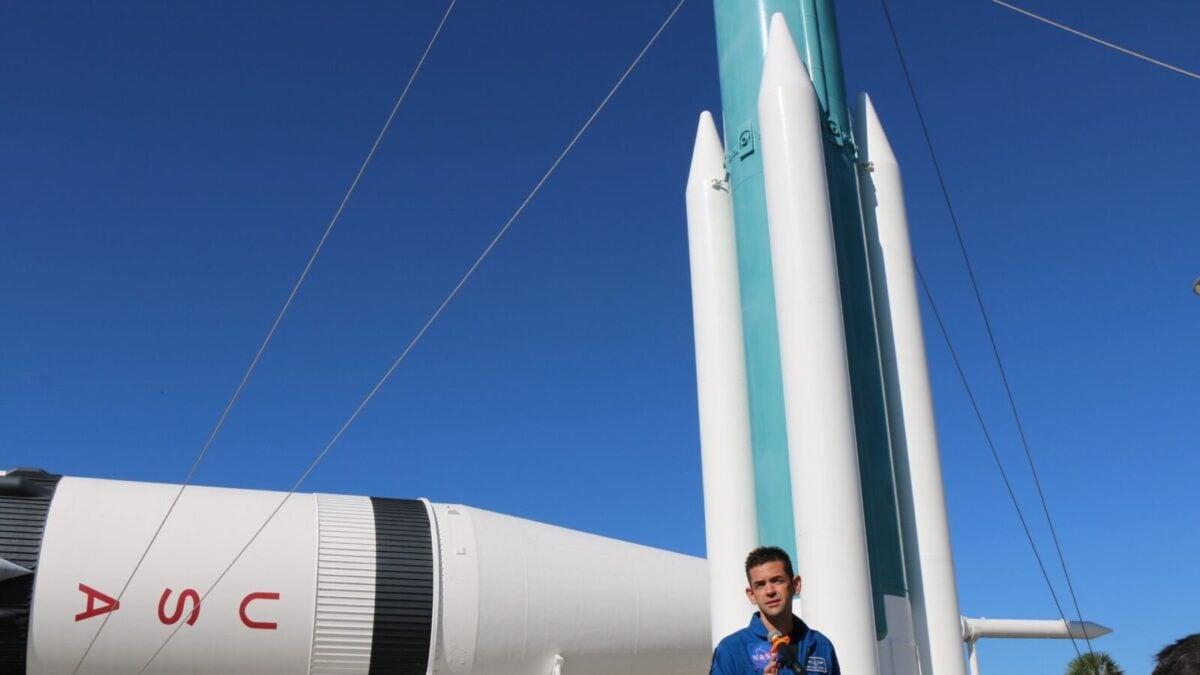
NASA just unveiled $1 million in prizes for its new Moon Base Student Challenge, a contest asking U.S. students to solve problems that stand in the way of a permanent lunar base. NASA chief Jared Isaacman announced it Sunday, November 8, at Kennedy Space Center Visitor Center in Cape Canaveral, Florida.
The challenge is open to high school and post-secondary students based in the United States. Students form teams and pick one of six technical topics.
Six topics for student teams
The topics are power systems, habitats, communications, mobility, life support and astronaut safety. Isaacman said the problems are real ones NASA is working on now.
He listed a few of them. "We need ways to generate power through the long lunar night," he said. NASA also needs to protect astronauts from the surface environment and move people and equipment around, he said, while supporting human life "three days away from Earth."
How the contest works
Isaacman described a "multi-phase competition that mirrors how ideas are developed actually in the aerospace industry." Teams first submit concepts, then refine them. Finalists present their solutions directly to NASA leaders and stakeholders.
"The prize money is great for sure," Isaacman said, "but the real opportunity is to work on problems NASA is actively trying to solve right now." Students, he added, do not need to wait until graduation to contribute.
He made the announcement from the center's rocket garden during NASA's MAX POWER air show event. Isaacman wore a blue flight suit. The day before, he had flown fighter jets and skydived into the event, and he flew another fighter plane over the crowd after the announcement. The audience included students of all ages, from young children in costume spacesuits to teenagers weighing their futures.
A long road to a moon base
A working base is still far off. In mid-2027, NASA plans to launch Artemis III, in which a crew of four astronauts will practice rendezvous maneuvers with two different lunar landers.
If that goes to plan, Artemis IV would follow and land humans on the moon's surface for the first time since the final Apollo mission in 1972. NASA says it is aiming for a sustained, long-term return to the moon, not a single visit.