Boston University Studies Blood Test for Advanced CTE
Two studies have identified a blood marker that could help detect advanced chronic traumatic encephalopathy in living patients. The findings come from small samples and require further validation; CTE has so far been diagnosable only after death.
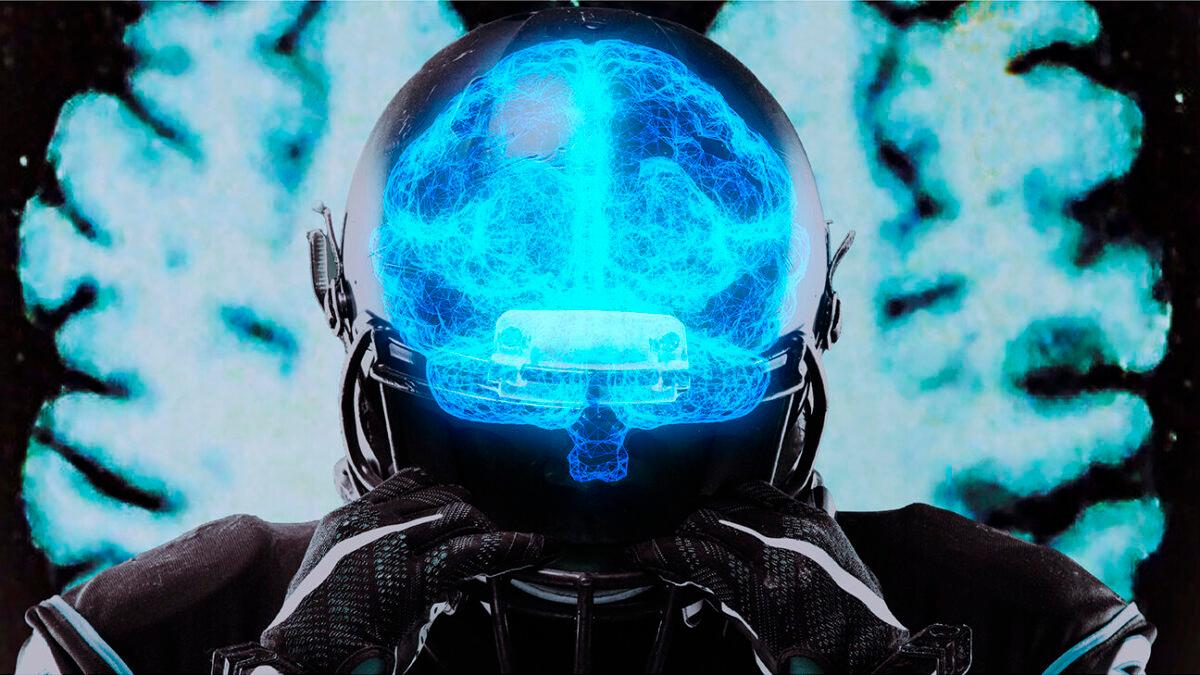
Boston University researchers have identified a blood marker that could help detect advanced chronic traumatic encephalopathy in living patients, according to a recent study in JAMA. A separate study found the same marker in 11 cases.
The findings could help researchers address a long-standing challenge: the degenerative brain disease, known as CTE, has so far been diagnosable only after death. It has been linked to repeated blows to the head in football and other contact sports.
The Boston University and Banner Health study used blood samples from former American football players who donated them while alive. Brain autopsies after their deaths found CTE.
Researchers examined concentrations of a specific protein in the samples and identified a marker associated with the disease. The test showed promise for advanced CTE, not early-stage disease.
The study examined 21 deceased players: 12 had played professionally, seven through college and two through high school.
Autopsies found advanced CTE in most of the former professional players, four college players and one high school player. Their blood samples showed higher concentrations of the identified protein.
Five players who had both CTE and Alzheimer's disease had the highest levels of the protein in their blood.
Michael Alosco, co-director of clinical research at Boston University's CTE Center and a co-senior author of the study, said the research was still in its discovery phase and involved a small sample.
“I'm cautiously optimistic that we can really understand this finding and move it forward in the next five years or so,” Alosco said.
Early-stage CTE often has no symptoms. Advanced disease can involve memory loss, confusion, depression, irritability and severe mood swings.
The separate study, by researchers at Washington University School of Medicine in St. Louis, identified the same blood marker in 11 cases.
Researchers have also investigated brain scans as a way to diagnose CTE in living patients. In 2017, researchers said they had used a scan to identify the disease in a former NFL player while he was alive.
No CTE-specific tests or treatments have been approved by the US Food and Drug Administration.
Alosco said further studies must validate the blood-test findings. If they do, he said, the test could allow accurate detection and open the door to clinical trials and treatment.
 Take the quizWhat Kind of Holiday Spender Are You? Take the Black Friday QuizStart →
- 1Joachim Klement to Sell Stocks After S&P 500 Signal

- 2Brent Crude Slides 4.05% as Rising US Stockpiles Weigh on Oil
- 3Stock Market Today: Nasdaq Rises at the Open While Dow Holds Near Flat

- 4UnitedHealth Shares Fall 10.2% Amid Medicare Audit Proposal

- 5Stock Market Today: Nasdaq and S&P 500 Futures Rise Ahead of Anthropic Debut

 Lifestyle · Food & HealthWhat Is Raynaud’s Syndrome? Why Fingers Turn White in the Cold
 Lifestyle · Food & Health4 Ways Walking After Meals Helps Your Body, Doctors Say
 Lifestyle · Food & Health4 Reasons to Eat Oatmeal, According to Nutrition Experts
 Lifestyle7 Signs Your Social Battery Is Running Low (and Why You Keep Cancelling Plans)