Ohio State Researchers Find Urine Protein Patterns in Cats
Researchers identified three distinct urine protein profiles among cats with chronic kidney disease. The findings could help distinguish forms of the disease, although the team said a potential early marker needs testing in larger, more diverse groups.
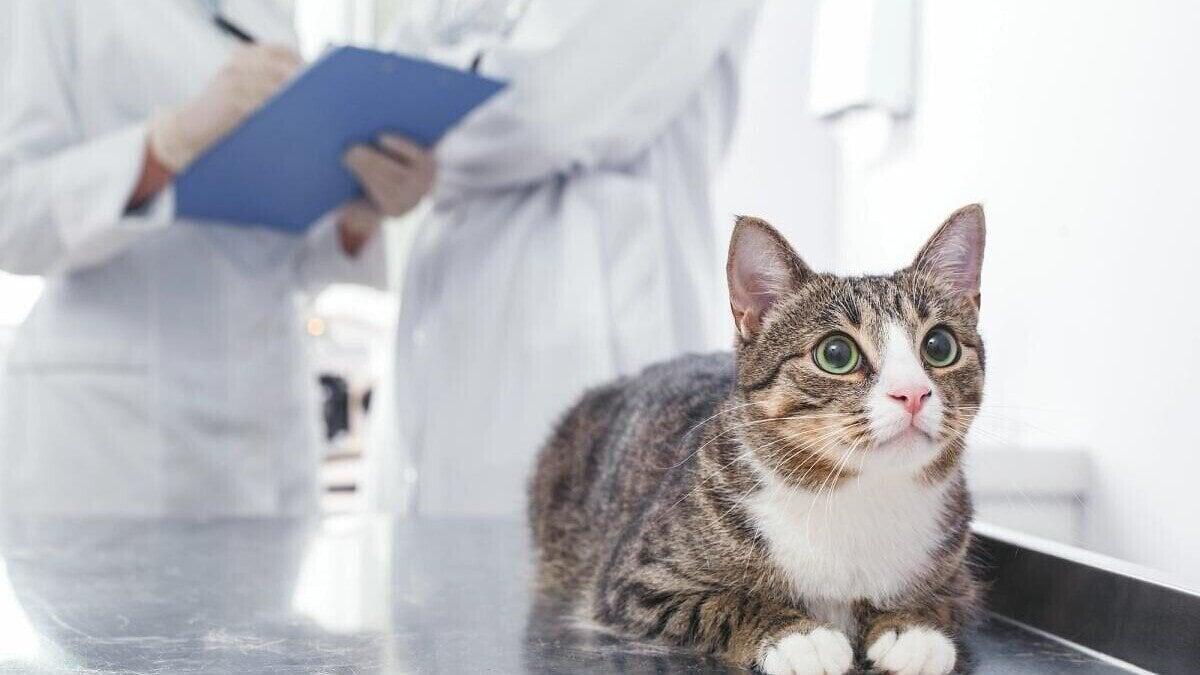
Researchers at The Ohio State University found three distinct urine protein patterns among cats with chronic kidney disease in a study of 64 animals. The patterns may help distinguish forms of the disease, the researchers said.
The team identified 2,219 proteins in urine from 30 healthy cats and 34 cats with stable kidney disease. The findings appeared in the Journal of Proteome Research.
Existing tests can confidently diagnose middle- to late-stage disease, but they do not reveal its underlying mechanisms, the researchers said. Identifying those mechanisms currently requires a kidney biopsy, which is not always clinically feasible.
One protein showed early promise
Researchers compared five cats with stage 1 kidney disease with the 30 healthy cats. One protein, matrix metalloproteinase-7, emerged as a possible early marker.
The protein is an enzyme that breaks down components of the material surrounding cells. Its levels were higher in the early-stage cats than in healthy controls, the American Chemical Society said.
Researchers then checked how proteins that differed between those groups tracked with blood creatinine across all 64 cats. Matrix metalloproteinase-7 was the only one that correlated with creatinine.
The authors said the enzyme may help detect kidney scarring early, but needs evaluation in larger, more diverse groups. Early-stage cats did not separate clearly from healthy cats when researchers compared their complete urine protein profiles.
Some cats enrolled as healthy were later diagnosed with kidney disease, a finding the authors said merits further study.
Three groups showed different profiles
Among cats with kidney disease, researchers identified three notable groups based on their overall urine protein profiles. The authors said the differences suggested that different disease mechanisms may be involved.
The first group contained five cats, all with stage 2 disease except one with stage 3. They did not show a distinct pattern of high or low protein abundance.
A second group comprised five younger male cats with advanced disease and protein in their urine. Their profiles included elevated proteins linked to immune responses.
The authors suspected an immune-mediated form of kidney inflammation in that group, but could not confirm it without biopsies. A third group of seven cats showed protein patterns that may indicate damage or dysfunction in kidney tubules.
Lead researcher Katelyn B. Brusach said, “Chronic diseases are often heterogeneous, which makes them challenging to encapsulate with one protein.”
Small study had limits
The study included few cats with stage 1 or stage 4 disease. Healthy cats had a median age of 6 years, compared with 12 years for cats with kidney disease.
The authors said their analysis was not designed to formally evaluate how age or sex affected the groupings. They suggested further studies of feline urine proteins, including targeted tests.
The work received funding through a sponsored research agreement between coauthor Jessica M. Quimby’s lab and Zoetis Inc, with additional grant support including from the National Institutes of Health.
 Take the quizWhat Kind of Holiday Spender Are You? Take the Black Friday QuizStart →
- 1Stock Market Today: Dow Slides 1.34% and VIX Jumps 15% at Midday

- 2Joachim Klement to Sell Stocks After S&P 500 Signal

- 3Stock Market Today: Nasdaq, S&P 500 Futures Slide as AI Selloff Deepens

- 4Kenneth Walker’s Groin Injury Puts Cardinals Game in Doubt

- 5Pat Cummins Faces Captaincy Doubts From Mitchell Johnson

 Lifestyle · Food & HealthNormal Blood Pressure Chart by Age: Healthy Ranges Explained
 Lifestyle · Food & HealthWhat Is Raynaud’s Syndrome? Why Fingers Turn White in the Cold
 Lifestyle · Food & Health4 Ways Walking After Meals Helps Your Body, Doctors Say
 Lifestyle · Food & Health4 Reasons to Eat Oatmeal, According to Nutrition Experts