Apple Skips Standard iPhone 18 This Year, Pushes Launch to Spring 2027
Apple is overhauling its iPhone launch strategy, ditching the traditional September release for the base model. The iPhone 18 Pro and a new foldable device…
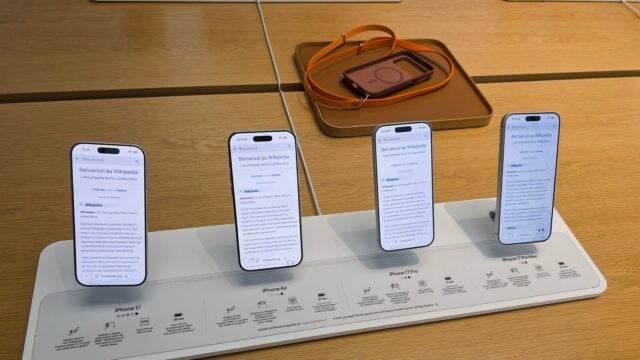
Apple is breaking its own playbook. For the first time in years, the standard iPhone 18 will not launch alongside Pro models in September. Instead, it's coming spring 2027—a radical shift that signals how aggressively Apple is managing product density and component costs.
The iPhone 18 Pro and iPhone 18 Pro Max will arrive at Apple's September 9 keynote, according to reporting from Forbes. But they will share the spotlight with something new: Apple's first foldable device, possibly called the iPhone Ultra. The standard iPhone 18 and a more affordable iPhone 18e variant are now scheduled for March 2027.
This breaks the cadence Apple set just two years ago. Last fall, the company released four iPhone 17 models in September, then added the iPhone 17e in March 2026. The year before followed the same five-phone pattern. But back-to-back years of launching this many phones in compressed windows created scheduling strain.
"This new schedule aims to prevent a crowded September event, manage component costs, and offer new models earlier in the year for customers whose contracts expire or who receive holiday gifts," according to the company's internal rationale. Splitting launches also gives the foldable breathing room—Apple doesn't want the iPhone Ultra lost in a flood of announcements.
The timing creates a subtle advantage for spring buyers. Customers whose existing iPhone contracts end around the holidays or new year will have fresh options to choose from rather than waiting months. For Apple, the math is cleaner: fewer SKUs competing for manufacturing capacity in a single quarter means fewer supply-chain headaches and potentially lower per-unit production costs.
Delaying the base iPhone 18 doesn't leave a gap in Apple's portfolio this fall. The iPhone 17, iPhone 17 Pro, and iPhone 17 Pro Max remain on shelves. Most buyers don't need the absolute latest generation; a six-month gap between Pro and base models is modest enough that the older Pro lineup can still move units.
The iPhone 18e—positioned as the affordable entry point—arriving alongside the standard iPhone 18 in spring suggests Apple is doubling down on price segmentation. Rather than cannibalizing Pro sales with a cheaper base model in the same breath, Apple gets two bites at the spring refresh cycle.
This strategy also takes pressure off September's event agenda. For years, Apple September events have strained under the weight of new iPhones, watches, and software announcements. By moving the base iPhone to spring, September can breathe. The foldable gets marquee positioning without fighting four other iPhone variants for attention.
The shift reflects broader industry realities. Foldables remain experimental. Samsung's Galaxy Z Fold and Z Flip lines have matured, but margins are tight and demand doesn't yet justify manufacturing scale. By launching the iPhone Ultra separately, Apple avoids positioning it as just another variant—it becomes its own flagship category.
For consumers, the implications are mixed. Those eager for incremental upgrades get staggered options across nine months rather than bunched into one event. Early adopters of Pro models gain six months of usage before base alternatives arrive, reinforcing the value gap between tiers. And the foldable doesn't get drowned out—it gets its own moment.
Apple first tested this split approach with the iPhone 17e, which launched in March 2026 as a standalone spring release. That test apparently validated the model enough to extend it: the company is now confident enough to hold back the entire base lineup from its traditional September slot.
The keynote on September 9 will be the first to emphasize Pro models and a completely new product category rather than showcasing the full iPhone family. It's a gamble that the iPhone Ultra can command stage presence on its own merits.