Japanese Calligraphy Nominated for UNESCO Heritage List
A UNESCO evaluation body recommended adding Japanese calligraphy, or shodo, to the Intangible Cultural Heritage list. Formal approval is expected in December…
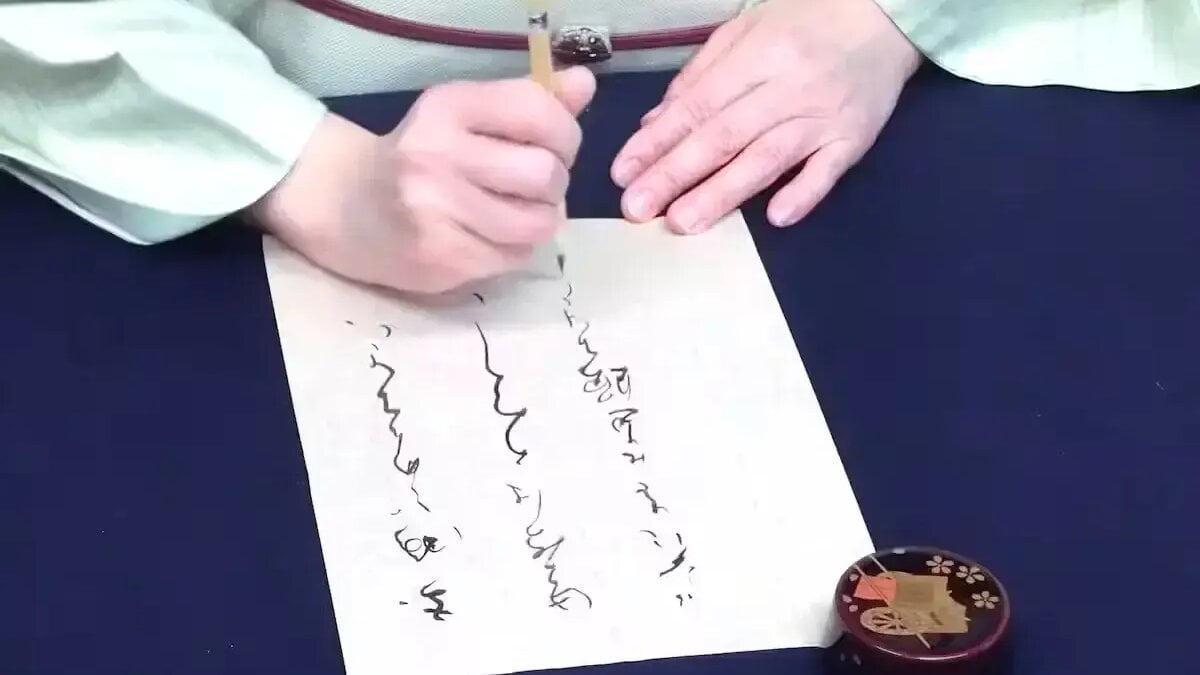
A UNESCO evaluation body recommended Japanese calligraphy for the Intangible Cultural Heritage list on November 4, a step toward formal recognition of shodo and its place in Japanese cultural life. Approval is expected in December at a meeting of UNESCO’s Intergovernmental Committee in Xiamen, China.
The decision would make shodo Japan’s 24th entry on the list and its first in two years, following the inscription of traditional sake brewing in 2024. Prime Minister Sanae Takaichi welcomed the recommendation on November 5.
“I am very pleased,” Takaichi wrote in a post on her X account. “The government will also make every effort to secure its formal inscription.”
What does shodo recognition cover?
Shodo uses traditional brush techniques and materials—including brushes, ink, inkstones and paper—to write characters by hand, according to Japan’s Agency for Cultural Affairs. The practice includes kanji, kana, combinations of the two, and seal engraving known as tenkoku.
It is not confined to formal artworks. Handwritten letters, guestbook signatures and New Year’s calligraphy remain part of everyday customs, while kakizome—the first calligraphy writing of the New Year—continues in schools and communities across Japan.
The art developed through distinct periods of Japanese history. Introduced from China during the Nara period (710–794), it took on religious and cultural roles. During the Heian period (794–1185), beautifully written sacred texts gained importance in ceremonies at temples and shrines. Calligraphy later conveyed Zen teachings in the Muromachi period (1336–1573) and became closely tied to the tea ceremony during the Azuchi-Momoyama period (1568–1600).
Why is UNESCO recognition being pursued?
Japan designated shodo a nationally registered intangible cultural property in 2021. The Japan Shodo Culture Association, formed jointly by organizations involved in Japanese calligraphy, was recognized as the body responsible for preserving the tradition and passing on its techniques.
Recognition could help widen public exposure while supporting efforts to sustain the practice. Yuko Utsumi, a producer at the association, said it could bring more learners in Japan and overseas and help address a declining number of practitioners and their aging population.
“This will provide an opportunity for more people, both in Japan and overseas, to learn about shodo,” Utsumi said. She added that recognition could contribute to promoting the art, ensuring its transmission to future generations and expanding its reach.
The campaign gathered momentum in 2014, when three leading Japanese calligraphers submitted a petition to the Commissioner of the Agency for Cultural Affairs, asking the government to seek inscription. The agency then called for an organization to lead the effort.
In April 2015, organizations including the Japan Calligraphy and Art Promotion Association established the Japan Calligraphy Promotion Council for UNESCO Registration, launching a full-scale campaign. Its goal was to recognize “calligraphy as it has taken root in Japan,” rather than claim exclusive national ownership of the art.
The December meeting in Xiamen is the next formal step. If the committee approves the recommendation, shodo will become Japan’s 24th Intangible Cultural Heritage entry.