Bond Market Just Turned on AI Trade as Chips Lose $650 Billion
A basket of 62 chip stocks lost more than $650 billion in market value from Wednesday through Friday as Treasury yields jumped. Nvidia fell about 13% in the week Jensen Huang resigned, and traders now price in a December rate hike with near certainty.
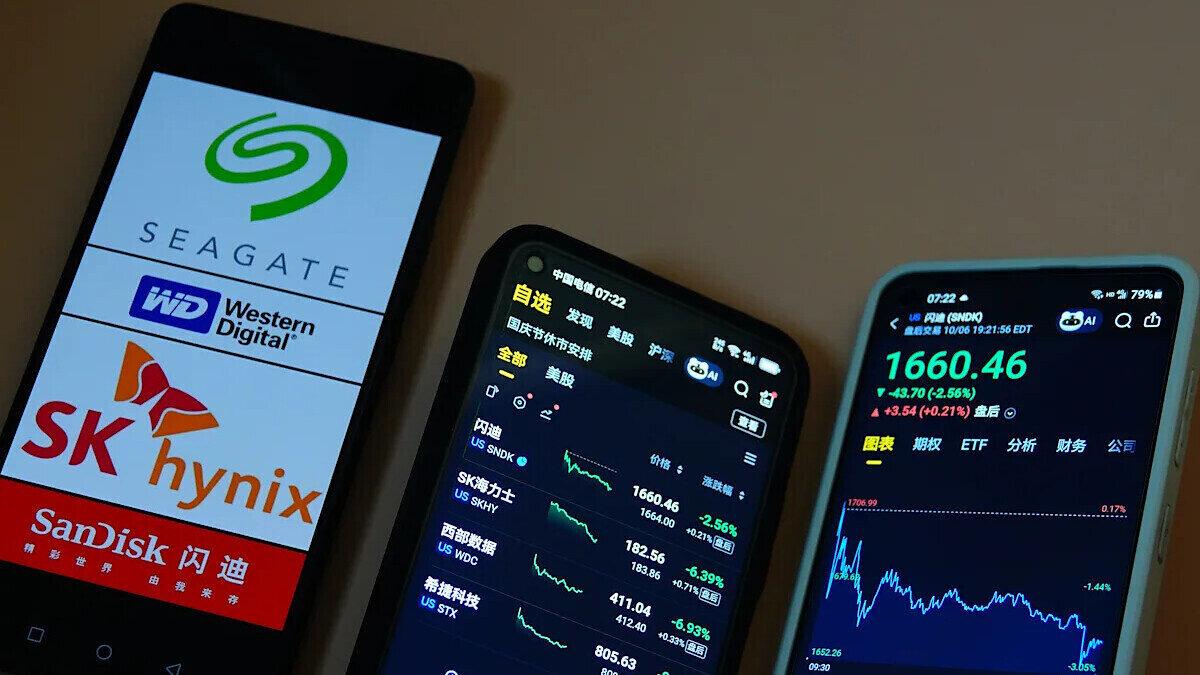
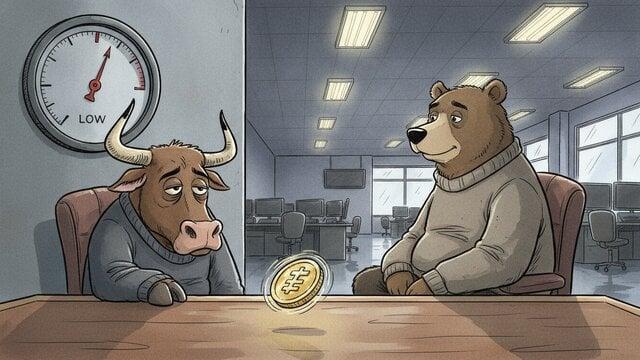
Chip stocks lost more than $650 billion in market value from Wednesday's close through Friday, November 13, as rising Treasury yields removed the cushion that had softened earlier AI sell-offs. The bond market just turned against the AI trade, and only three of 62 chip stocks tracked in a basket rose.
Wall Street still posted its best week since August. The PHLX Semiconductor Index finished up about 8%, the Nasdaq 100 gained about 3.5% and the S&P 500 about 2.5%. Most of those gains came early in the week.
Nvidia never joined the rally. Its shares fell about 13% in the week Jensen Huang resigned as CEO, the stock's worst week since April 2025 and its sixth straight weekly loss, the longest streak since 2012. The drop wiped out about $570 billion in value as investors weighed Nvidia's $530 billion web of AI deals.
The damage spread to its partners. Nebius, in which Nvidia holds a stake, fell about 10% for the week after disappointing third-quarter earnings. Nvidia-backed CoreWeave slid about 6% on Friday, though it still finished the week up about 15% after strong quarterly results.
Memory makers Micron and SK Hynix, leaders of the early-week bounce, gave back roughly 3% to 4% on Friday.
Bonds stop absorbing the shock
During the earlier AI sell-off, Treasurys acted as a shock absorber. The 10-year yield fell on all six of the chip stocks' down days from October 22 to November 6, as investors bought bonds when chips sank.
This week the pattern reversed. Yields rose on all three days when semiconductors fell. The 10-year yield jumped about 30 basis points to about 5.15%, and the 5-year climbed about 33 basis points. Both were the biggest weekly rises since April 2025.
Rate-hike bets harden
On Tuesday, Fed Governor Christopher Waller opened the door to a half-point rate hike. Hours later, the October Consumer Price Index came in hot. On Friday, wholesale prices rose at their fastest annual pace in nearly four years.
Traders responded. Polymarket's odds of a December 9 rate increase had fallen to about 66% after the November 5 rout. By Friday they were about 98%, with the odds of a half-point move at 10%.
Futures now price in about two quarter-point hikes by March 2027, up from one right after the crash.
Charts show the rebound stalling
The chip index stalled before it got back to its 200-day moving average, a long-term trend line. The Nasdaq-100 closed back below its own similar average, and the Nasdaq Composite closed right at it.
Beyond tech, the equal-weight S&P 500 has beaten the regular index by nearly 8 percentage points since the October 6 record, the widest gap since May 2009. Apple, Warren Buffett's Berkshire Hathaway and Eli Lilly all closed at record highs Friday.
Nvidia reports earnings Tuesday after the close, its first report under interim CEO Colette Kress. Investors want to know whether its outlook holds without Huang.
Vanda Research, in a note on the views of its president, Jens Nordvig, summed up the new backdrop: "It's a different world, but arguably one with more opportunity."