Microsoft Confirms Windows 11 26H2 for October 2026
Windows 11 26H2 is confirmed for October 2026, with a tiny update package and long support terms. Here’s what it means for users.
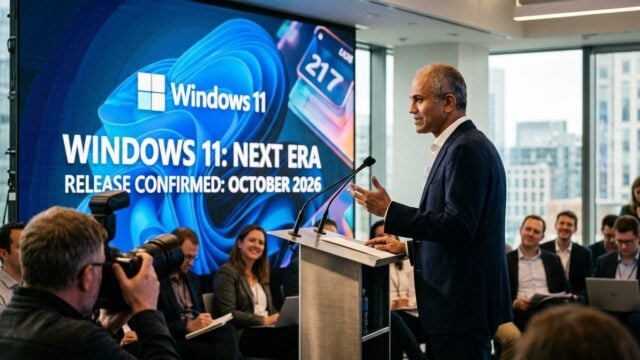
JAKARTA, JOURNALARTA.COM — Microsoft Confirms Windows 11 26H2 for October 2026, with the next annual release set to arrive as a very small enablement package rather than a full system overhaul. The update is expected to land in fall 2026, likely in October, and weigh in at about 200 KB.
The change matters because it points to a faster, less disruptive upgrade path for Windows 11 users. For most PCs already on Windows 11, the move to 26H2 should feel routine, not risky.
Small package, quick install
Windows Latest first reported the 26H2 references in February 2026 after spotting them in Windows test builds. Microsoft has since backed up the plan in official developer documentation, giving the release schedule a firmer footing.
The update will use an enablement package, a lightweight activation file under 500 KB that mainly changes the system version and build number. In practical terms, that means a short install window, usually two to five minutes, and one restart. That’s it.
No major visual redesign is expected. No sweeping new desktop layout. The package is designed to switch on what is already present in the same code base.
That approach mirrors Windows 11 25H2, which arrived last year. Both versions sit on top of Windows 11 24H2, the last major feature update released on October 1, 2024.
Why Microsoft is keeping it light
Microsoft has steadily split its Windows roadmap into two lanes: large annual platform releases and smaller feature rollouts delivered through monthly cumulative updates. Features such as a movable taskbar or low-latency gaming profiles can now arrive without waiting for the yearly update cycle.
The company’s logic is straightforward. Big updates take more testing and create more room for disruption, especially in corporate environments where system changes can slow operations or complicate rollout schedules. A small enablement package cuts that burden sharply.
For IT teams, that is a relief. For home users, it means new features no longer need to wait for October. They can show up during routine monthly updates instead.
Shorter waits. Fewer headaches.
What support and hardware limits mean for users
Microsoft’s support timeline for Windows 11 26H2 follows its standard policy. Home and Pro editions will be supported for 24 months, through October 2028. Enterprise and Education editions get 36 months of support, extending to October 2029.
That timeline matters because it shapes when users and businesses need to plan their next upgrade. Windows 11 24H2 will stop receiving security updates on October 13, 2026, while 25H2 is supported until October 12, 2027. Anyone still weighing an upgrade window has a clear reference point.
| Version | Release | End of support (Home/Pro) | End of support (Enterprise) |
|---|---|---|---|
| Windows 11 24H2 | October 2024 | October 13, 2026 | October 13, 2026 |
| Windows 11 25H2 | October 2025 | October 12, 2027 | October 12, 2027 |
| Windows 11 26H2 | October 2026 (planned) | October 2028 | October 2029 |
Hardware requirements are not changing. Microsoft still lists 4 GB of RAM, 64 GB of storage, and a 64-bit dual-core processor at 1 GHz or faster as the minimum for Windows 11. If a device already runs Windows 11 now, 26H2 should not ask more of it.
Microsoft is also working on Windows 11 26H1 for devices built around newer chips such as Nvidia N1 and Snapdragon X2. Even so, reports say that version does not carry exclusive features that would be missing from 26H2.
So what this means for everyday users
For consumers, the practical impact is simple: upgrading should be fast, low-risk, and familiar. No hardware shopping. No major retraining. No long night watching a progress bar crawl across the screen.
For companies, the smaller package could reduce downtime and make maintenance windows easier to schedule. That matters for schools, offices, and managed fleets where even a short reboot can interrupt work. The update also reinforces Microsoft’s broader shift away from one big yearly feature dump and toward a more continuous delivery model.
The next possible inflection point is 2027. Microsoft has not confirmed anything yet, but reports suggest Windows 11 27H2 could return as a major platform update and unify the code base across device types. For now, 26H2 looks designed for stability, not drama — and the package size is still only about 200 KB.