Apple to Unveil iPhone 18 Pro, Facing $100-$200 Price Hikes
Apple's next flagship iPhone launch is scheduled for mid-September, with pricing potentially rising $100–$200 due to chip shortages. A cyber breach at Indian…
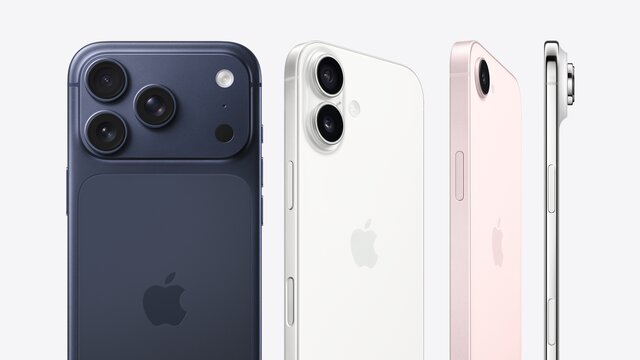
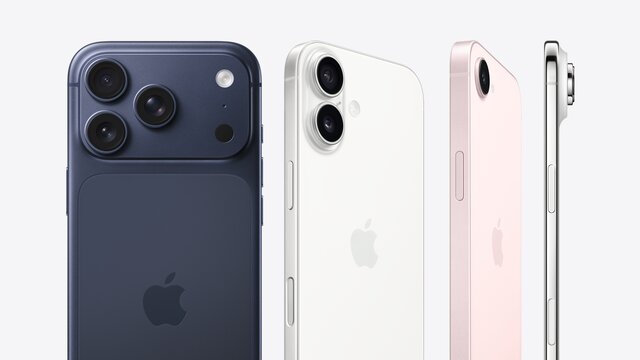
Apple will unveil the iPhone 18 Pro on Wednesday, September 9, capping months of speculation about the next flagship lineup. The official announcement will come two weeks earlier, on August 26, with pre-orders opening Friday, September 11 and retail availability starting September 18.
The timing marks Apple's predictable fall pattern—the company has held its iPhone keynote in the first half of September every year since 2011, deliberately avoiding the day after Labor Day.
But the launch carries unprecedented cost pressure. Bloomberg's Mark Gurman forecasts price increases of $100 to $200 for the iPhone 18 Pro, Pro Max, and a new foldable model expected to start at $2,000 or higher. Chip shortages and advanced camera technology are driving the hikes.
John Ternus will make his debut as CEO at the keynote, inheriting a company navigating reshuffled supply chains. Apple produced the iPhone 17 series in India for the first time last year—a strategic shift that has caught Beijing's attention.
Leaked Specs Fuel Geopolitical Tensions
A cybersecurity breach at Tata Electronics, Apple's Indian manufacturing partner, has exposed the company's supply strategy to public scrutiny. Reuters reported in June that the hacking group World Leaks claimed responsibility, stating stolen data included parts lists, suppliers, and photos of unreleased iPhone 18 Pro models.
Tata Electronics confirmed the "cybersecurity incident" to CNBC but said it "had no impact on our operations across businesses." The company did not disclose whether any materials or data were taken.
The leaked specifications spread rapidly in China's electronics market. Ma Shouhua, an iPhone repair specialist in Huaqiangbei—China's largest electronics marketplace—posted a viral video outlining the purported specs of the iPhone 18 Pro models. "Something like this would never happen in China," Ma told CNBC, a comment the Chinese state media seized on as evidence of systemic weakness in India's manufacturing sector.
The Communist Party's Global Times newspaper warned this month of "systemic weaknesses in 'Made in India'," using the breach as leverage to argue for keeping international companies tied to Chinese production.
Apple declined to comment on the leak or its supply chain plans.
Diversification Amid Rising Tensions
The iPhone 18 launch unfolds against a backdrop of U.S.–China competition for global manufacturing dominance. Geopolitical tensions have pushed Apple and other tech firms to reduce China dependence. Last year's India production milestone for the iPhone 17 series represented a watershed moment—the first time a current flagship iPhone was made outside China at scale.
Chinese authorities have grown alarmed by the shift. Moving production to India threatens Beijing's grip on supply chains and undercuts its narrative of manufacturing superiority. The Tata breach, however, has handed Beijing a propaganda opening: proof, Chinese officials argue, that India cannot be trusted with sensitive technology.
Even as tensions rise, Chinese technicians cannot manufacture exact copies of Apple's latest phones, limiting direct competitive threat. But the leaks expose vulnerabilities in Apple's supply chain at a moment when the company is betting on India as a counterweight to China's dominance.
The iPhone 18 pricing and availability will test whether consumers accept the cost premium as Apple navigates chip scarcity and geopolitical pressure reshaping where the world's most valuable smartphone gets built.