Apple Introduces iPhone 15 With USB-C, New Chips
Apple's iPhone 15 lineup brings USB-C charging, improved cameras, and the A17 Pro chip. Here's a breakdown of specs, pricing, and which model suits you best.

Apple released the iPhone 15 in September 2024, replacing USB Lightning connectors with USB-C across the entire lineup and introducing the A17 Pro chip to Pro models. The standard iPhone 15 and iPhone 15 Plus retain the A16 Bionic processor from the previous generation, while both Pro variants get faster performance and improved thermal management.
The move to USB-C affects charging speeds and peripheral compatibility. Standard iPhone 15 models charge at up to 20W via USB-C, matching their Lightning predecessors in real-world speed. iPhone 15 Pro and Pro Max support up to 45W wired charging with a compatible charger, though full-speed charging requires a third-party power adapter since Apple does not include one in the box.
Camera System and Night Mode
All iPhone 15 models feature improved camera systems. The standard iPhone 15 gained a larger main sensor and improved night mode compared to iPhone 14, while Pro models received a 48-megapixel main sensor with 24-megapixel default capture. The iPhone 15 Pro Max added a 12x optical zoom telephoto lens, up from 10x on the previous generation.
Computational photography enhancements apply across the board. Night mode now works on ultra-wide and selfie cameras on Pro models, a feature absent in standard iPhone 15.
Processor Performance
The A17 Pro powers iPhone 15 Pro and Pro Max, with eight cores and hardware for ray tracing in games and apps. Standard iPhone 15 models use the A16 Bionic, which also powers iPhone 14 Pro. In benchmarks, the A17 Pro showed roughly 10–15 percent gains over A16 in multi-core workloads, though real-world performance differences in everyday apps remain marginal.
Both chips support the same software features in iOS 17, so processor choice matters most for gaming, video editing, and professional workflows rather than messaging or browsing.
Display and Design
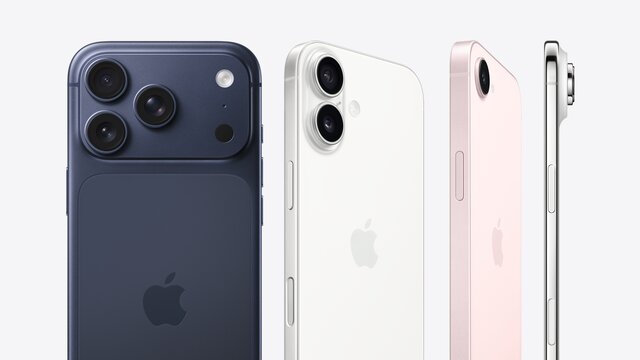
iPhone 15 and 15 Plus use a 60Hz OLED display with Dynamic Island, while Pro variants retain 120Hz ProMotion. All models have flat titanium or aluminum edges and a contoured camera island. Titanium frames on Pro models reduce weight versus previous stainless steel designs.
Colors differ between lines. Standard models come in black, white, blue, green, and yellow. Pro colors are limited to natural titanium, blue titanium, black titanium, and white titanium.
Battery and Longevity
Apple claims roughly equivalent all-day battery life to iPhone 14 models. The iPhone 15 Plus offers extended battery endurance, marketed for up to 26 hours of video playback. Pro Max variants last up to 29 hours.
USB-C and the A17 Pro support faster data transfer for video professionals. Standard iPhone 15 supports USB 2 speeds over USB-C, while Pro models enable Thunderbolt 3 with up to 40Gbps bandwidth for external storage and video work.
Pricing and Availability
iPhone 15 starts at $799 for the 128GB base model in the United States. iPhone 15 Plus begins at $899. Pro models start at $999 (128GB) and $1,099 (Pro Max, 256GB minimum). All models launched September 22, 2024, with wide retail availability.
Apple offers trade-in credits toward purchase, reducing effective cost depending on your existing device's age and condition. Carrier financing plans from US operators spread costs across 24 or 36 months.
Who Should Upgrade
Owners of iPhone 12 or earlier gain meaningful camera and performance improvements. iPhone 13 or 14 users see incremental gains unless they need USB-C peripherals or the 12x zoom on Pro Max. Standard iPhone 15 suits most users; Pro is worth considering only for photo/video work or intensive gaming.
The USB-C shift matters if you already own a USB-C charger ecosystem — previously, this was limited to iPads and Macs. Now a single cable works across all Apple devices. If you rely on Lightning-only third-party accessories, budget for replacements or adapters.