Wellness Trend Rises, Monitoring Stress with AI in Massage Chairs
AI massage chairs are gaining attention as wellness shifts toward recovery, relaxation, and better sleep after busy routines.
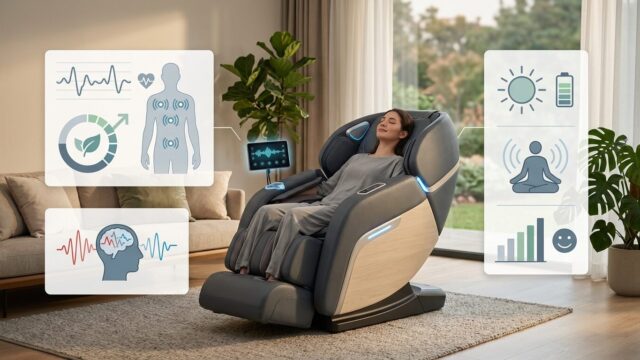
JAKARTA — Wellness Trend Rises, Monitoring Stress with AI in Massage Chairs as people look for more than sleep, exercise, and better eating. The shift is pushing recovery into the same conversation as fitness, and OSIM says that matters for how people manage tension at home.
The change is practical. Many workers, gym-goers, and screen-heavy users feel fine after a workout or a long day, then realize their body still carries stiffness, fatigue, and poor rest quality. That is where AI massage chairs are starting to get attention.
Recovery is getting more attention
OSIM Indonesia Brand & Operation Manager Raynaldo Hasan said public understanding of wellness still needs to broaden. He said many people already understand exercise, but have not fully absorbed the role recovery plays in keeping the body balanced.
“People know exercise is important, but they often do not realize that after working out, muscles become tense and the body needs relaxation. Many finish exercising, take a shower, and go straight to bed. But it would be better if the body were relaxed first so sleep quality can improve,” Raynaldo said when introducing OSIM uDream.AI to Tempo in April.
That point cuts close to daily life. A lot of people treat health as finished once the session ends. Run done. Gym done. Job done. But the body does not always agree. Tight shoulders, a sore back, and that tired-but-alert feeling before bed can linger for hours.
Raynaldo’s message reflects a broader wellness shift. People are no longer looking only at calories burned or steps taken. They are paying more attention to recovery time, rest, and whether the body actually feels ready for the next day.
Why AI massage chairs fit the moment
AI massage chairs are being positioned as more than simple comfort devices. In OSIM’s framing, the technology helps deliver a more personal relaxation experience by reading what the body needs and adjusting the massage accordingly.
That approach fits a market where time is tight. Not everyone can stop by a spa or book a regular manual massage. Home has become the backup plan, and sometimes the first choice. A chair that helps the body unwind after work or after exercise is easier to fit into a packed routine.
For people who spend hours at a desk, travel through traffic, or jump from meeting to meeting, small aches add up. The neck gets stiff. The lower back complains. Sleep comes, but it does not always feel restorative. A device that supports relaxation at home speaks directly to that problem.
OSIM’s uDream.AI, introduced to Tempo in April, sits inside that trend. It shows how wellness products are moving closer to smart technology without losing a familiar form. It is still a chair. The difference is in what the machine is trying to understand.
What this means for users
The broader impact is simple. If consumers start seeing recovery as part of health, they may spend more time and money on tools that help them unwind, not just on products that track activity. That shift could influence buying decisions in the wellness sector, especially in urban households where stress and fatigue are part of the daily routine.
For readers, the takeaway is not that technology replaces exercise. It does not. It supports what comes after it. Recovery, relaxation, and better sleep can shape how well the body handles the next day, especially for people who move between physical strain and long hours of sitting.
At home, that makes wellness feel less abstract. It becomes a chair in the living room, a few quiet minutes after work, and a body that feels lighter afterward. Raynaldo put it plainly: relaxation should sit beside exercise, not behind it. And in OSIM’s April introduction of uDream.AI, that idea was the product’s main pitch.
The trend is already moving in that direction. People want to feel better, and they want the recovery to start fast.