Xiaomi Latest Devices Launch in Indonesia on June 23, 2026
Xiaomi latest devices arrive in Indonesia with a 6,000 mAh battery, Dimensity 6300, and Redmi Watch 5 for daily use.
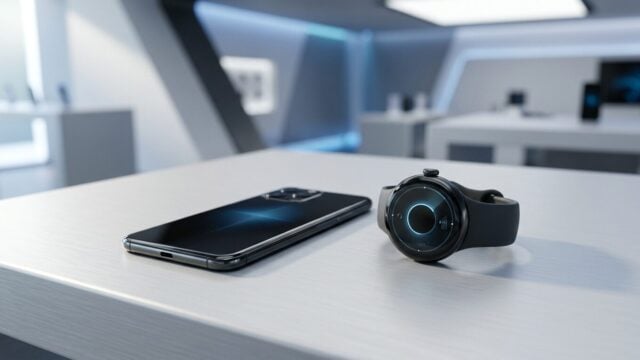
JAKARTA — Xiaomi Latest Devices Launch in Indonesia on June 23, 2026, with a new phone and the Redmi Watch 5 aimed at buyers who want long battery life, solid performance and a price that stays within reach. The launch puts endurance at the center of Xiaomi’s pitch.
That matters in Indonesia, where smartphone buyers have grown sharper about what they pay for. Battery capacity, charging speed and storage now carry as much weight as camera claims or design tweaks. The new lineup leans directly into that shift.
Xiaomi Latest Devices Launch in Indonesia on June 23, 2026
According to reporting from 91mobiles, the phone introduced in the launch uses a MediaTek Dimensity 6300 processor. The chip sits in the midrange segment and is built for efficient power use, which makes it a better fit for users who move between messaging, video, browsing and light productivity through the day.
Xiaomi pairs the processor with 6 GB of RAM and 128 GB of storage. That is not top-end territory, but it gives the device enough room for multitasking and everyday use without feeling cramped too quickly. For many Indonesian buyers, that balance matters more than chasing specs that never show up in daily life.
Short answer: practical.
6,000 mAh battery is the headline feature
The biggest draw is the 6,000 mAh battery. In a market where users often spend long hours away from a charger, that kind of capacity can decide whether a phone gets attention or gets ignored. Students, drivers, field workers and commuters will notice the difference fast.
Xiaomi also backs the battery with 33W Turbo Charging. That combination gives the handset a stronger case than phones that rely on large batteries alone. A big cell is good. A big cell that charges quickly is better.
The phone also comes with a 6.9-inch IPS LCD display, a 50-megapixel rear camera and an 8-megapixel front camera. The large screen makes sense for watching video, reading and casual gaming, though the size may not appeal to buyers who prefer compact devices. Still, that panel size and battery pairing point to one clear target: people who keep their phone in hand for most of the day.
Why the launch matters for buyers
The launch lands in a crowded midrange market where brands fight on value, not just brand name. Xiaomi has long built its business on giving buyers specifications that look strong on paper without pushing the device into premium pricing. That formula still works when consumers are comparing battery life and usable storage more closely than ever.
91mobiles also said the device posted a strong synthetic benchmark score for its class, though the exact figure was not included in the source material. The number matters less than the signal behind it. Xiaomi wants the phone to be seen as a dependable daily driver, not a spec sheet filler.
For consumers, the practical impact is easy to see. A phone with a 6,000 mAh battery, 33W charging, 6 GB of RAM and a large display gives buyers more room to handle work, school and entertainment on one device. That kind of package can reduce the need to upgrade sooner, and it puts pressure on rival brands to match the same mix of endurance and speed.
Redmi Watch 5 completes the package
The launch did not stop at the phone. Xiaomi also brought in the Redmi Watch 5, extending the ecosystem angle that now shapes many device launches. According to product information from Jamtangan.com, the smartwatch is listed as 100% new and original.
The watch adds the usual set of everyday functions users now expect from wearables: notifications, health tracking, workout monitoring and quick controls that keep the phone in the pocket a little longer. It is a small device, but it fills a useful role.
For Xiaomi, bundling a phone with a smartwatch makes commercial sense. Buyers who want one device for core tasks often look for another gadget that fits the same daily rhythm. The phone handles the heavy lifting. The watch handles the quick checks.
That approach also strengthens Xiaomi’s position in Indonesia’s budget-to-midrange segment, where ecosystems are becoming more important. People no longer look at a phone in isolation. They compare how the phone fits with a watch, earbuds and the rest of their routine.
For now, the clearest number in the launch remains the same one Xiaomi is likely to lead with: 6,000 mAh. In a market that rewards stamina, that figure still grabs attention.