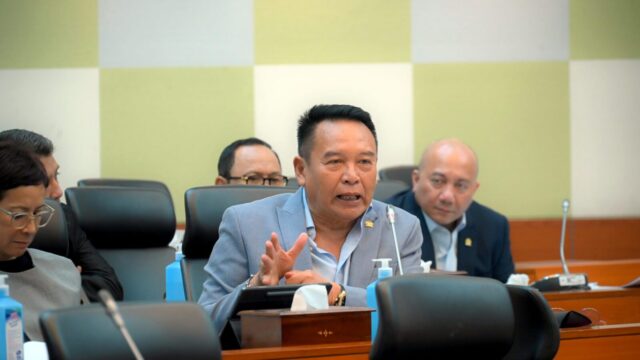
Indonesia House Speaker Demands Probe into Burned Land Palm Conversion
House Speaker Puan Maharani calls for an immediate probe into claims that fire-ravaged forest land is being illegally converted into palm oil plantations.
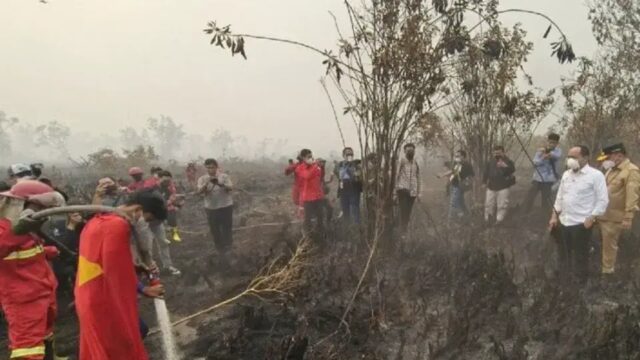
JAKARTA — Indonesian House of Representatives Speaker Puan Maharani has demanded an immediate investigation into allegations that land damaged by forest and peatland fires (Karhutla) is being illicitly converted into commercial palm oil plantations. This move follows reports received by President Prabowo Subianto concerning the suspected exploitation of fire-scarred ecological zones.
Legislative Call for Accountability
Addressing the press at the Parliamentary Complex in Senayan, Jakarta, on Tuesday, Sept. 8, 2026, Puan emphasized that such practices are strictly prohibited. "Regarding matters of land conversion following forest fires, we will request the relevant authorities to investigate the situation immediately," she stated.
Puan made it clear that the transformation of conservation-designated areas into plantation land is unacceptable. She insists that a thorough inquiry is necessary to ensure that degraded land, intended for restoration, is not being usurped for industrial gain.
Regulatory Enforcement and Corporate Oversight
This initiative aligns with recent directives from President Prabowo, who has instructed the Indonesian National Police (Polri) to take stern action against corporations found responsible for forest fires. The presidential mandate includes the potential revocation of operational licenses for companies linked to environmental destruction, signaling a push for greater inter-institutional coordination.
Large-scale forest fires often leave vast tracts of land in a degraded state. Concerns have grown that some entities are exploiting the aftermath of these disasters to claim control over the land, bypassing legal protocols to establish unauthorized plantations.
The Scope of the Investigation
The investigation is expected to involve multiple government bodies, including the Ministry of Environment and Forestry, as well as national law enforcement. The goal is to uncover the actors behind these illegal land-use changes, which threaten both the local environment and community land rights.
The push for accountability gains weight as the National Police report that 138 individuals have already been named suspects in separate forest fire cases. Focusing on post-fire land conversion represents a strategic shift toward dismantling the entire supply chain of environmental crime—from intentional burning to illegal land utilization.
For the Indonesian public and the domestic palm oil industry, this inquiry serves as a significant stress test for the government's environmental enforcement capabilities. The outcomes will likely determine the future of industrial expansion in protected forest zones and the efficacy of current forestry regulations.