Nifty Metal Falls Nearly 2% as Dollar and Rate Worries Bite
India’s Nifty Metal index fell nearly 2% in early trade on Wednesday, November 18, making it the worst-performing sectoral index on the NSE. Hindustan Zinc led losses, while weakness in global commodity prices and concerns about US interest rates weighed on metal shares.
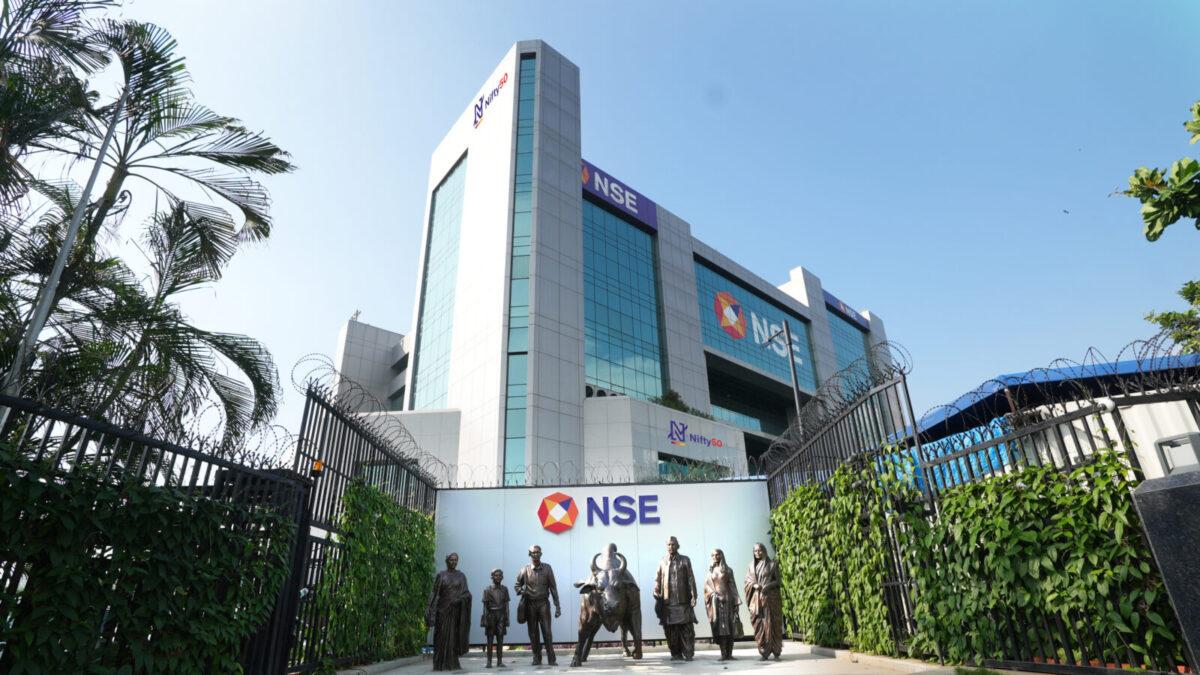
India’s Nifty Metal index fell 1.8% to 12,301.85 in early trade on Wednesday, November 18, as a stronger US dollar and concerns about interest rates weighed on metal shares.
The index opened at 12,441.85, below its previous close of 12,530.30, and became the worst-performing sectoral index on the National Stock Exchange of India. Hindustan Zinc led the declines, falling 3%.
Metal shares broadly lower
Selling spread across the sector. Shares of SAIL, NALCO and Hindustan Copper fell between 2% and 3%, while Vedanta Aluminium Metal, Hindalco Industries, Adani Enterprises, Vedanta, Tata Steel and NMDC declined between 1% and 2%.
JSW Steel and APL Apollo Tubes also traded lower. Jindal Stainless and Lloyds Metals and Energy were largely flat.
The broader market was under pressure too. The Sensex fell around 300 points, while the Nifty 50 declined nearly 100 points. India VIX, a gauge of expected market volatility, climbed nearly 1.5%.
Dollar strength weighs on commodities
Investors were cautious ahead of minutes from the US Federal Reserve’s latest policy meeting, seeking clues about the interest-rate outlook. Expectations of higher US rates and a firmer dollar weighed on commodity prices, including metals.
Gold also fell more than 1%. Spot gold was down 1.4% at $3,796.37 per ounce, while US gold futures for December delivery dropped 1.7% to $3,799.30.
Base metal prices have faced pressure since April, with aluminum declining sharply since October, zinc falling to a lesser extent and copper softening in November. The account also cited concerns over US investment in artificial-intelligence infrastructure, which has supported expectations for copper demand from data centers and power networks.
Supply and demand concerns
Improving supply prospects in the Middle East have added pressure on aluminum prices as smelters restore output. Iron ore prices have weakened amid demand concerns and ample supply, with China’s real estate market adding to uncertainty.
Domestic steel prices have remained relatively firm despite weaker iron ore prices. A Nomura Research note cited lower Chinese steel exports in October under a new export licensing policy and moderating output in November as factors supporting steel pricing conditions.
Metal companies entered the period after the sector contributed a fifth of incremental corporate earnings growth in India’s July-September quarter of financial year 2026-27, according to a Motilal Research note. The recent easing in base metal prices could put pressure on aluminum, zinc and copper producers, while prices remain elevated compared with a year earlier.
 Take the quizWhat Kind of Holiday Spender Are You? Take the Black Friday QuizStart →
- 1U.S. Emergency Alert Test Nov. 17 Is Not a Power Outage

- 2DUP Chairman Lord Morrow Loses Wife and Daughter Within Hours in NI

- 3NASA’s Curiosity Rover Burst Open a Rock and Found Pure Sulfur

- 4Women With Autoimmune Diseases Wait About 4 Years for Diagnosis, Study Finds

- 5Stock Market Today: Dow Futures Slip as Nasdaq Futures Climb Before Earnings

 Lifestyle · Food & Health4 Reasons to Eat Oatmeal, According to Nutrition Experts
 Lifestyle7 Signs Your Social Battery Is Running Low (and Why You Keep Cancelling Plans)
 Lifestyle · Food & HealthThanksgiving Food Safety: How Long Leftovers Last and the Safe Turkey Temperature
 Lifestyle7 Quiet Habits of Emotionally Intelligent People, According to Psychologists