Asian Shares Skid as AI Investment Worries Hit Markets
Asian shares fell sharply on Friday after a technology-led sell-off on Wall Street, as investors weighed whether newly elected Democratic officials in the…

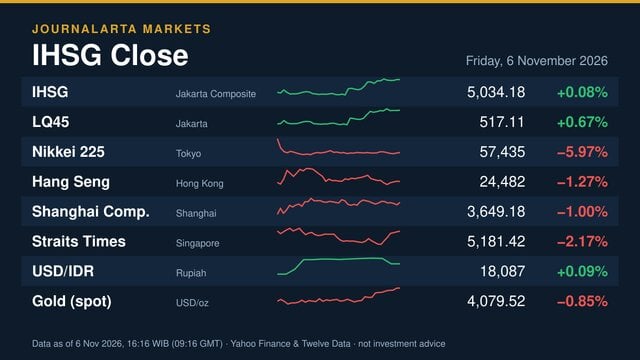
Asian shares skid worries over AI investment and US policy sent South Korea’s Kospi and Japan’s Nikkei 225 down 6% each on Friday, while Taiwan’s Taiex fell 4.5%. The retreat followed a technology-led sell-off on Wall Street and puts pressure on Asian markets closely tied to the global supply chain for AI infrastructure.
Investors are assessing whether newly elected Democratic officials in the United States could slow or block new data center spending, a key source of demand for chips and other technology components. The possibility has unsettled a market boom that has helped drive global stocks to record highs.
The declines were steep. Government officials in Japan and South Korea acknowledged the volatility, while investors weighed the prospects for continued AI investment against concerns about its cost and sustainability.
Why did Asian shares skid over AI investment worries?
The sell-off reflects concern that political changes in the United States could alter the pace of AI infrastructure spending. Democrats won control of both chambers of Congress and flipped several contested state seats, raising questions about whether new projects could face delays or opposition.
Backlash over the environmental and community effects of data centers made AI spending an issue in the US midterm elections. If investment slows, demand could weaken for semiconductors and the other products and services needed to build and operate the facilities.
Asian technology firms are particularly exposed because they supply components used in large AI data centers. South Korean chipmakers Samsung Electronics and SK Hynix are among the companies whose memory products serve that demand.
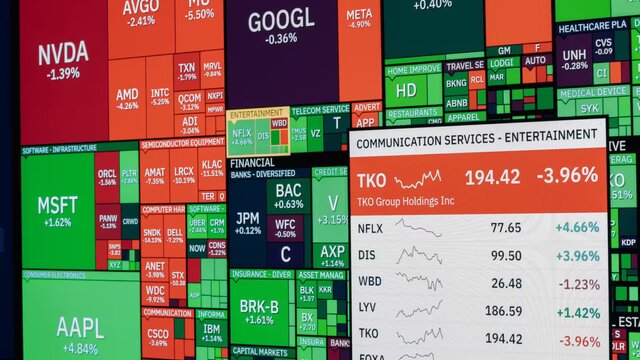
The sell-off followed a sharp US market decline on Thursday. The Nasdaq fell 5.5%, its worst day since April 2025, while the retreat wiped out about $2.5 trillion in market value, according to the source report.
Officials watch the market swings
Japanese Prime Minister Sanae Takaichi said she was aware of the decline in AI and chip shares and that her government was monitoring developments. “We will focus on steps to create a strong economy,” she said.
South Korea’s finance and economy minister Lee Hyoung-il convened a meeting on Friday to discuss the US election’s possible effects on the country’s economy. The ministry said officials considered that an impact on global markets “cannot be ruled out” and would prepare measures to prevent overreactions in the Korean stock market.
The moves matter beyond traders. A pullback in data center construction could reduce orders for chips and affect Asian companies that have benefited from the buildout. The extent of that exposure will depend on whether technology spending continues at its recent pace.
Jung In Yun, founder and CEO of Fibonacci Asset Management Global, said investors were reassessing expectations for AI investment and policy. He expects demand for computing power to keep growing, along with demand for memory chips, but warned South Korea’s technology-heavy market could remain sensitive to shifts in sentiment.
“South Korea’s tech-heavy market is particularly exposed to shifts in sentiment, so we may see more swings before confidence settles,” he said.
Theodore Shou, a partner at Hong Kong-based asset management firm Yiyi Capital, said some AI-related stocks had attracted excessive enthusiasm earlier in the year. “I think the market is just moderating itself.”
Shou also said Asian technology stocks have become more closely linked to their US counterparts as interest in AI has grown. Investors now face two connected questions: whether data center spending continues and how US policy shifts could affect the funding and construction of new projects.